


Лучшее обновление цифровой приборной панели: цифровая приборная панель в стиле OEM vs бывшая в употреблении OEM Virtual Cockpit
Лучшее обновление цифровой приборной панели: цифровая приборная панель в стиле OEM vs бывшая в употреблении OEM Virtual Cockpit
Когда владельцы Volkswagen и Audi ищут лучшее обновление цифровой приборной панели, реальный выбор обычно не так прост. Некоторые покупатели рассматривают подержанную OEM Virtual Cockpit от автомобиля-донора. Другие сравнивают обновление дилерского уровня или цифровую приборную панель в OEM-стиле, разработанную для ретрофита под конкретную модель автомобиля.
Это руководство сравнивает стоимость замены virtual cockpit, риск кодирования, совместимость цифровой приборной панели, проблемы с подержанной комбинацией приборов, ответственность за установку и долгосрочную поддержку перед покупкой.
Подержанный OEM Virtual Cockpit может подойти для специализированных мастерских с VAG coding, адаптацией иммобилайзера и доступом к component protection. Для большинства владельцев более предсказуемым вариантом покупки часто становится обновление на цифровую приборную панель в стиле OEM, потому что оно использует новое retrofit hardware, предварительную проверку совместимости перед отправкой и более понятную поддержку со стороны поставщика.
Навигация по статье
Три способа обновить цифровую приборную панель
Перед покупкой замены цифровой приборной панели покупателям следует сравнить три варианта: официальное обновление у дилера, подержанный OEM Virtual Cockpit и цифровую приборную панель в стиле OEM. Каждый вариант имеет свою стоимость, совместимость и риски установки.
Обычно самый дорогой вариант. Он может включать новую штатную приборную панель, авторизованное программирование и работу дилера, но возможность ретрофита часто ограничена.
Оригинальное заводское оборудование из автомобиля-донора. Риск заключается не только в состоянии детали, но и в необходимости кодирования, работе с иммобилайзером и защитой компонентов.
Новое специализированное дооснащающее оборудование для конкретной модели автомобиля, разработанное для более контролируемого пути обновления, с проверкой фото панели приборов и подтверждением совместимости со стороны поставщика.
Совместимость цифровой приборной панели начинается с фотографий приборной панели
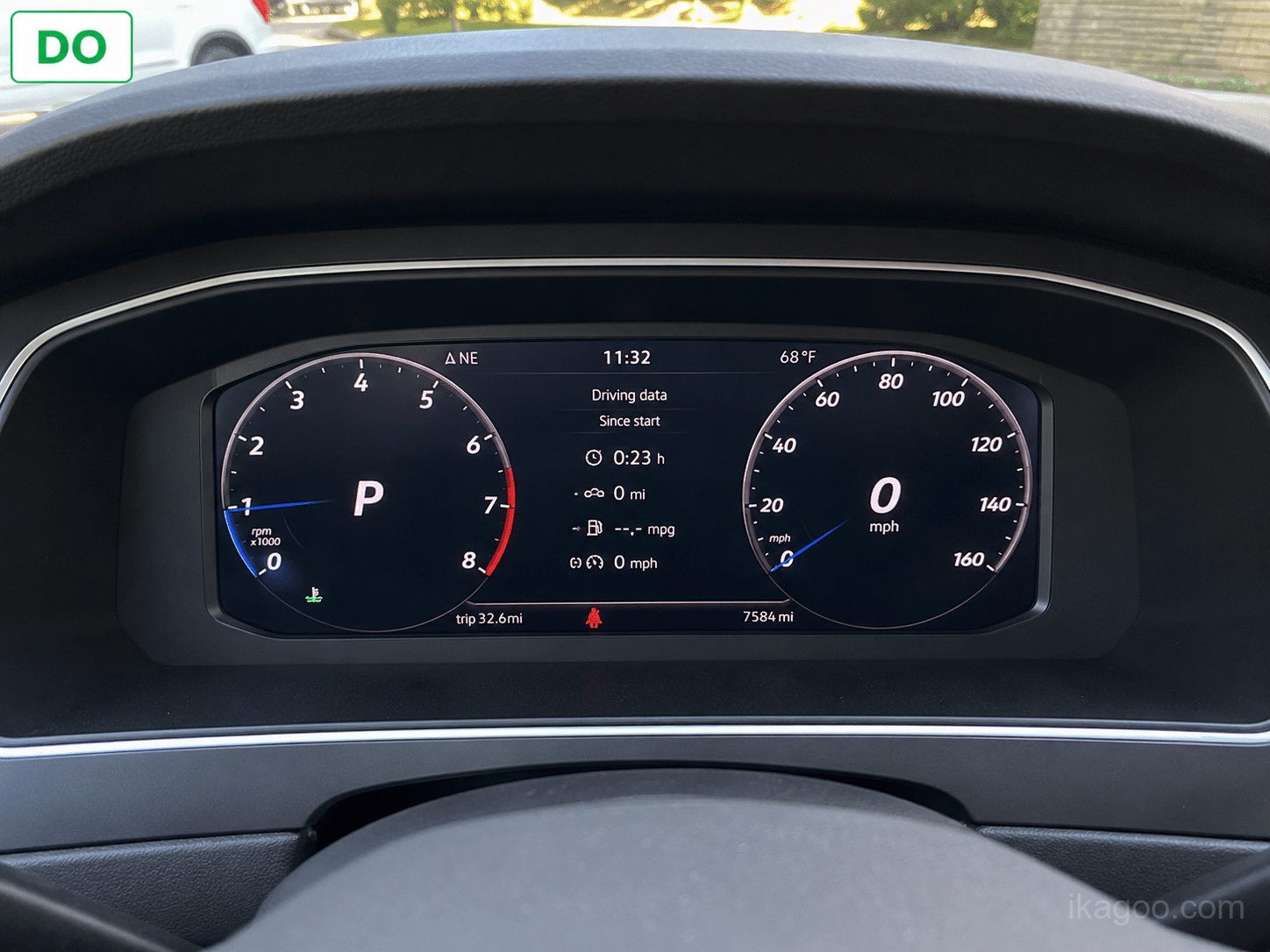
Распространённая ошибка — покупать замену цифровой приборной панели только по году выпуска автомобиля. Для моделей Volkswagen и Audi на совместимость могут влиять форма оригинальной приборной панели, отделка торпедо, платформа, положение водителя и маршрут разъёма. Правильную проверку совместимости цифровой приборной панели следует проводить до оплаты или отправки.
Обновление у дилера vs подержанный OEM Virtual Cockpit vs цифровая приборная панель в стиле OEM
| Точка сравнения | Официальное обновление от дилера | Б/у OEM Virtual Cockpit | Цифровая приборная панель в стиле OEM |
|---|---|---|---|
| Источник оборудования | Новое заводское оборудование, если доступно | Б/у деталь от автомобиля-донора | Новое модернизированное оборудование |
| Типичная стоимость | Самая высокая общая стоимость | Ниже стоимость деталей, но скрытые расходы на кодирование | Более предсказуемые затраты на продукт и поддержку |
| Требования к программированию | Программирование на уровне дилера | Часто требует кодирования, адаптации и согласования безопасности | Обычно подготовлено с учётом поддерживаемых вариантов установки для конкретной модели автомобиля |
| Риск, связанный с ключом / иммобилайзером | Обрабатывается через официальный канал, если поддерживается | Может потребоваться адаптация иммобилайзера и привязка ключа | Обычно позволяет избежать проблем с привязкой штатного модуля |
| Защита компонентов | Обрабатывается через авторизованные инструменты | Распространённые риски подержанных модулей VW/Audi | Как правило, не зависит от защиты штатного модуля-донора |
| Лучшее для | Владельцы с высоким бюджетом и официальным доступом к ретрофиту | Специализированные мастерские с ресурсами для кодирования VAG | Владельцы и ремонтные мастерские, ищущие практичное решение для модернизации |
Самый большой риск б/у OEM Virtual Cockpit — это кодировка
Самый большой риск при покупке подержанного OEM Virtual Cockpit — это не всегда само оборудование. Более серьёзный риск — это дополнительная кодировка, адаптация иммобилайзера, привязка ключей и работа по защите компонентов, которые могут потребоваться после установки.
Приборные панели VW/Audi могут быть подключены к иммобилайзеру и системам безопасности автомобиля. В зависимости от модели и поколения, замена приборной панели может потребовать данных безопасности, авторизованных инструментов, процедур кодирования и работ по адаптации. Именно поэтому бывшая в употреблении OEM-панель обычно не является простым Plug-and-Play дисплеем.
Технические вопросы, которые покупателям стоит задать
- Требуется ли для бывшей в употреблении приборной панели снятие защиты компонентов?
- Требуется ли адаптация иммобилайзера?
- Требуется ли совпадение ключей или данные безопасности?
- Может ли местная мастерская выполнить кодирование VW/Audi?
- Возьмёт ли продавец на себя ответственность, если кодирование не удастся?
- Пробег, VIN и конфигурация автомобиля указаны законно и корректно?
Стоимость дооснащения Virtual Cockpit: видимая цена — это не конечная цена
Многие покупатели сравнивают только цену детали. Это ошибка. Стоимость дооснащения Virtual cockpit должна включать приборную панель, доставку, кодирование, работу мастерской, снятие компонента защиты, возможную обратную доставку и потерю времени, если б/у деталь не подходит к автомобилю.
| Статья затрат | Б/у OEM Virtual Cockpit | Цифровая приборная панель в стиле OEM |
|---|---|---|
| Цена запчасти | На первый взгляд может показаться дешевле | Обычно исправлено и понятно |
| Стоимость кодирования | Часто дополнительные | Обычно меньшая зависимость от локального заводского кодирования |
| Риск несовместимости при установке | Выше, если номер детали или конфигурация автомобиля указаны неверно | Снижено после предотгрузочной проверки совместимости |
| Ответственность за поддержку | Продавец, кодировщик и установщик могут обвинять друг друга | Путь поддержки обычно яснее через поставщика |
| Прогнозируемость общей стоимости | Переменная | Более предсказуемый |
Для многих владельцев реальный выбор — это не только “заводская оригинальная деталь или aftermarket”. Это также “стоимость официального обновления, риск при покупке б/у приборного щитка или практичная стоимость дооснащения в стиле OEM”.”
Распространённые проблемы подержанного Virtual Cockpit, которые покупателям следует учитывать
Проблемы с подержанным виртуальным кокпитом часто скрыты на момент покупки. Чистое фото товара не доказывает, что приборная панель готова к установке в другой автомобиль.
- История автомобиля-донора неизвестна
- Возможное старение экрана, слабая подсветка или предыдущий ремонт
- Неверный номер детали для платформы покупателя
- Отсутствуют данные кодирования или безопасности
- Ограничение защиты компонентов
- Неисправность иммобилайзера или несоответствие ключа
- Гарантийный спор между продавцом бывшей в употреблении детали и местным установщиком
Почему цифровая приборная панель в стиле OEM может быть более практичной
Обновление цифровой панели приборов в стиле OEM — это не то же самое, что официальная заводская деталь. Его преимущество другое: он может предложить новое оборудование, более понятный выбор продукта, проверку совместимости перед отправкой и более реалистичный путь установки для владельцев и небольших автосервисов.
Новое оборудование
Новое оборудование для дооснащения позволяет избежать многих неизвестных факторов, характерных для бывших в употреблении комбинаций приборов, включая историю предыдущих ремонтов, привязку к автомобилю-донору и скрытое старение.
Процесс покупки с приоритетом совместимости
Ответственный поставщик должен перед отправкой проверить год выпуска автомобиля, фотографии приборной панели, форму оригинальной комбинации приборов и положение руля. Это особенно важно для совместимости цифровой панели Volkswagen и совместимости с Audi virtual cockpit.
Снизить зависимость от инструментов на уровне местного дилера
Цифровая приборная панель в стиле OEM, разработанная специально для конкретного автомобиля, обычно создаётся под поддерживаемый сценарий установки, а не предполагает, что покупатель должен приобрести б/у заводской модуль, а затем искать местную мастерскую, готовую выполнить кодирование и адаптацию системы безопасности.
Какую цифровую приборную панель стоит купить?
Выберите дилерское обновление, если ваш местный дилер поддерживает дооснащение, вы согласны на более высокую стоимость и хотите воспользоваться самым официальным доступным вариантом.
Выбирайте подержанный OEM Virtual Cockpit, если у вас уже есть проверенный специалист по VAG, который может выполнить кодирование, защиту компонентов, адаптацию иммобилайзера и привязку ключей.
Выберите обновление цифровой приборной панели в стиле OEM, если вам нужен более предсказуемый путь покупки, новое оборудование, проверка совместимости перед отправкой и практичное решение для дооснащения для выбранных моделей Volkswagen, Audi и других автомобилей.
Проверьте варианты модернизации цифровой приборной панели для конкретной модели автомобиля
Компания iKAGOO предлагает модернизацию цифровых приборных панелей в стиле OEM для отдельных проектов по дооснащению конкретных моделей автомобилей. Перед отправкой необходимо проверить совместимость с годом выпуска вашего автомобиля, фотографиями приборной панели, формой оригинальной приборной панели и положением водителя за рулем.
Смотреть обновления цифровой приборной панелиТехнические справочные материалы
Для автомобилей VW/Audi замена комбинации приборов может включать процедуры, связанные с иммобилайзером и системой безопасности. Следующие ссылки помогут объяснить, почему бывшей в употреблении оригинальной OEM-панели приборов может потребоваться не только физическая установка.








Add comment