













Руководство по модернизации электронных приборных панелей
Как электронные приборные панели улучшают впечатления от вождения
Цифровые приборные панели обеспечивают наглядность, возможность настройки и интеграцию систем безопасности в современных автомобилях.

Введение
В современной быстро развивающейся автомобильной промышленности переход от традиционных аналоговых приборов к электронным комбинациям приборов кардинально изменил то, как мы взаимодействуем с нашими автомобилями. Эти цифровые дисплеи дают массу преимуществ, которые улучшают впечатления от вождения так, как раньше и представить было невозможно. От усовершенствованных функций безопасности до более персонализированного интерфейса — электронные комбинации приборов являются важнейшим компонентом современных автомобилей.
В автомобильной отрасли наблюдается значительный технологический прогресс, и одним из наиболее заметных изменений является переход от аналоговых к цифровым приборным панелям. Эта эволюция обусловлена спросом на расширенную функциональность, более привлекательный внешний вид и улучшенное взаимодействие с водителем. По мере развития технологий способы взаимодействия водителей с автомобилями постоянно меняются.
Переход от аналогового к цифровому
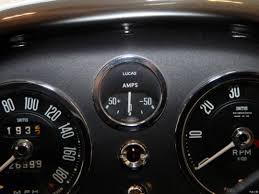
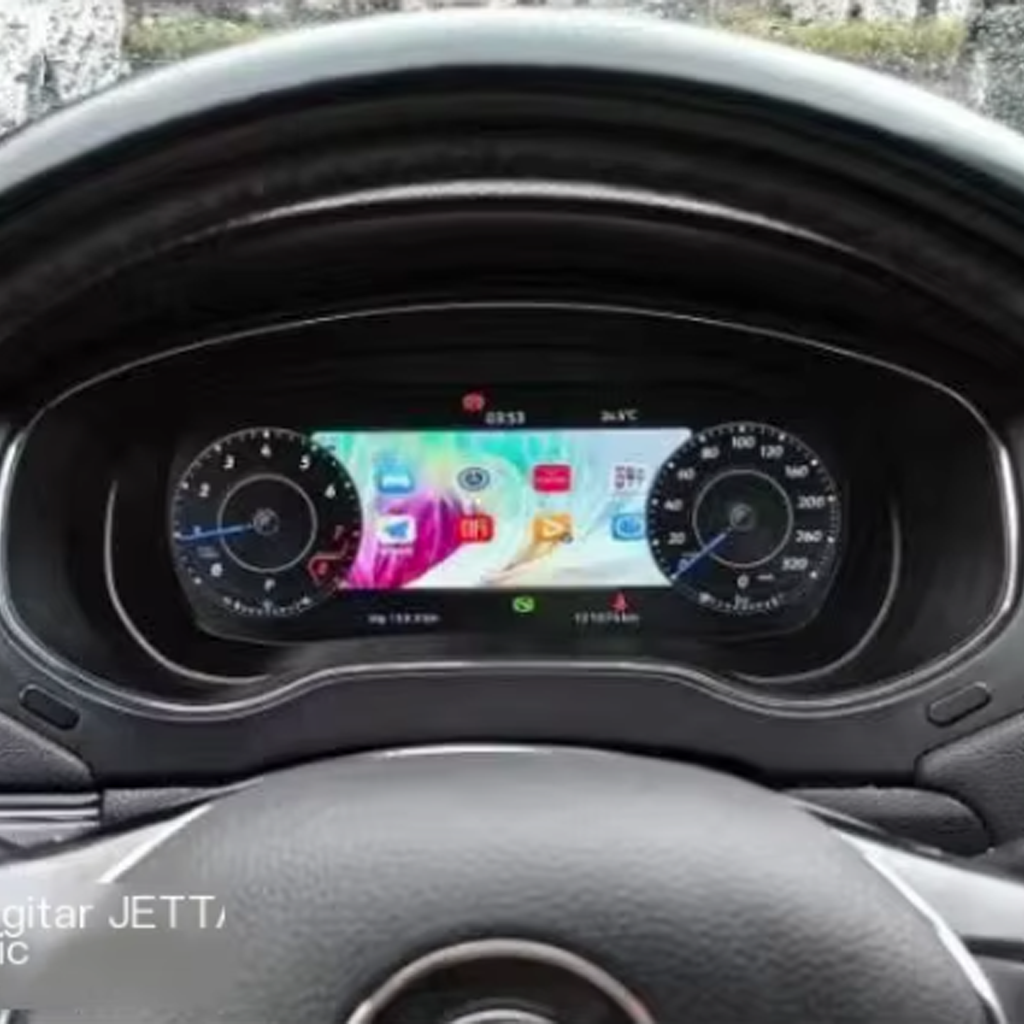
Переход от аналоговых к цифровым приборным панелям стал важной вехой в развитии автомобильных технологий. Аналоговые приборы, долгое время остававшиеся неотъемлемой частью автомобилей, заменяются программно-управляемыми дисплеями, которые обеспечивают гораздо большую гибкость и функциональность. Этот переход также вписывается в общую тенденцию к цифровизации салона и современному дизайну интерфейса «человек-машина» (HMI).
Потребность в расширении функциональных возможностей
Сегодня водители ожидают от приборных панелей нечто большее, чем просто показания скорости и уровня топлива. Цифровые приборные панели отображают информацию о дорожной ситуации, погоде и навигации в режиме реального времени в рамках единой визуальной системы и интегрируются со смартфонами, обеспечивая удобство без ущерба для безопасности.
Улучшения в области эстетики и взаимодействия с водителем
Помимо функциональности, цифровые приборные панели улучшают эстетику салона благодаря лаконичному дизайну и настраиваемым темам. Интерактивные элементы пользовательского интерфейса снижают когнитивную нагрузку, позволяя водителям настраивать иерархию отображаемой информации в соответствии со своими предпочтениями.
Преимущества электронных приборных панелей
Повышенная наглядность и четкость
Панели с высоким разрешением обеспечивают четкость отображения информации как при ярком солнечном свете, так и в ночное время. Автоматические режимы «день/ночь» и продуманный шрифт позволяют быстро и без труда считывать информацию.
Экраны высокого разрешения
Подробные карты, значки систем ADAS и индикаторы рабочих характеристик остаются четкими в любых условиях, что позволяет снизить количество ошибок и сократить время реакции.
Настройки дисплея
Яркость, контрастность и акцентные цвета можно настроить с учетом освещения в салоне и личных предпочтений, что повышает комфорт во время длительных поездок.
Режимы «Ночь» и «День»
Автоматическая смена темы оптимизирует видимость при изменении освещения — от туннелей до полуденного солнца.
Настройка и персонализация
Цифровые интерфейсы HMI можно настраивать. Водители могут выбрать приоритетную информацию — навигацию, экономию топлива или динамические характеристики — и расположить виджеты в соответствии со своими привычками.
Профили пользователей и настройки памяти
Функция восстановления профиля упрощает передачу управления в автомобилях совместного использования, восстанавливая конфигурацию салона, тему интерьера и соответствующие настройки сидений и мультимедиа.
Интеграция с усовершенствованными системами помощи водителю (ADAS)
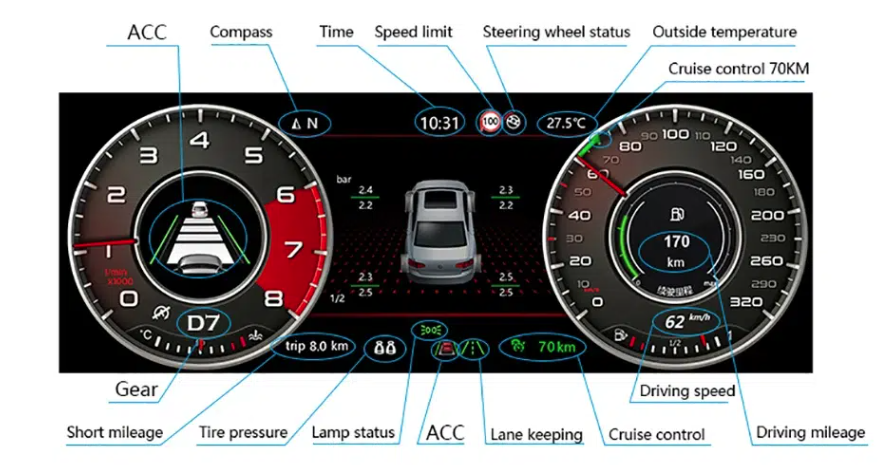
Цифровые приборные панели отображают предупреждения о полосе движения, «слепых» зонах, превышении скорости и риске столкновения в поле естественного обзора, сокращая время реакции.
Обновления и оповещения в режиме реального времени
Системы удержания полосы движения, адаптивный круиз-контроль и системы помощи при парковке имеют единую символику и расположение, что позволяет свести к минимуму отвлечение внимания.
Улучшенные функции безопасности
Системы предупреждения о столкновении и о приближении пешеходов, а также функция распознавания ограничений скорости объединены в одной панели приборов, а не разбросаны по всему салону.
Настройка и управление системами ADAS
Водители могут настраивать чувствительность предупреждений, дистанцию до впереди идущего автомобиля и функцию удержания полосы движения прямо из меню приборной панели.
Эстетическая привлекательность и современный дизайн
Изящный и футуристичный дизайн
Минималистичный дизайн, контрастная типографика и ненавязчивые микроинтеракции повышают воспринимаемое качество.
Дополнительный дизайн интерьера
Цветовая гамма интерьера гармонично сочетается с обивкой сидений и подсветкой салона, создавая целостную атмосферу в салоне.
Обращение к водителям, хорошо разбирающимся в технологиях
Широкие возможности настройки и интеграция с устройствами привлекают водителей, ценящих инновации.
Технологические достижения в области приборных панелей
Дисплеи высокого разрешения
Более высокая плотность пикселей и улучшенная контрастность обеспечивают стабильное изображение в широком диапазоне температур и уровней яркости.
Четкое и ясное изображение
Четкая визуализация текста и иконография повышают наглядность важных сигналов.
Динамические интерфейсы
Плавная анимация и анимированные плитки позволяют плавно отображать изменения состояния без визуального шума.
Наглядные материалы
Карты контекста объединяют информацию о скорости, ограничениях, следующем маневре и близости опасностей в отдельные кадры, чтобы сократить перемещение взгляда.
Дополненная реальность и дисплеи с проекцией на лобовое стекло
Интеграция AR
Стрелки поворота и индикаторы полосы движения синхронизируются с реальной обстановкой на дороге, позволяя водителю сосредоточиться на движении вперед.
Функции проекционного дисплея
На лобовом стекле отображаются данные о скорости, ограничениях и подсказки, что позволяет свести к минимуму отвлечение внимания от дороги.
Повышение безопасности и концентрации
Благодаря размещению важной информации в поле зрения водителя система AR/HUD снижает риск отвлечения внимания и помогает сохранять постоянную концентрацию.
Возможности подключения и интеллектуальные функции
Интеграция со смартфоном
Приложениями, музыкой, звонками и уведомлениями можно управлять с помощью кнопок на рулевом колесе или голосом, что позволяет реже брать телефон в руки.
Совместимость с интеллектуальными устройствами
Уведомления на смарт-часах и голосовые помощники позволяют управлять системой не только с головного устройства.
Развлечения и доступ к информации
Потоковое вещание и новости в режиме реального времени могут отображаться в безопасных интерфейсных шаблонах, адаптированных для вождения.
Будущее цифровых приборных панелей
Расширенные возможности настройки и интеграция искусственного интеллекта
Оформление экрана адаптируется к контексту — например, перед съездами с автомагистрали отображается дальность пробега, а в дни на гоночной трассе — данные о температуре.
Персонализация на основе искусственного интеллекта
Системы анализируют поведение пользователя, чтобы отображать релевантные плитки и предлагать настройки, что позволяет сократить количество ручных настроек.
Адаптивные интерфейсы
Перебалансировка в режиме реального времени выделяет наиболее важные сигналы, когда внимание ограничено.
Прогностические характеристики
Проактивная маршрутизация, напоминания о техническом обслуживании и прогнозируемые состояния пользовательского интерфейса способствуют принятию решений.
Улучшенные функции безопасности
Данные V2V предупреждают об опасностях, находящихся за пределами прямой видимости, таких как внезапная остановка или гололед.
Усовершенствованные системы оповещения
Благодаря более подробным предупреждениям о погодных условиях, закрытии дорог или риске столкновений можно своевременно принимать меры.
Устойчивое развитие и энергоэффективность
Энергоэффективные дисплеи, высокопроизводительные микросхемы и перерабатываемые материалы позволяют снизить воздействие на окружающую среду.
Заключение
Электронные приборные панели преобразуют процесс вождения благодаря четкости отображения, возможностям настройки и встроенным системам безопасности. По мере развития технологий искусственного интеллекта, AR/HUD, V2V и экологичного дизайна приборная панель остается самым ценным экраном в автомобиле, позволяя водителям оставаться в курсе событий, сосредоточенными и чувствовать себя комфортно.
Готовы попробовать более интеллектуальную панель управления?
Купить сейчас — панель приборов Passat VariantСрок действия до 15 октября 2025 года.




Add comment
Для отправки комментария вам необходимо авторизоваться.