
















Руководство по модернизации приборной панели автомобиля
From Mechanical Gauges to the Digital Cockpit: The Evolution of the Приборная панель автомобиля
A concise history of the Приборная панель автомобиля—from analog instrument cluster layouts to цифровой приборный кластер platforms with HUD, ADAS, and software-defined UX, plus ikagoo product anchors.
1) Early Приборная панель автомобиля Panels
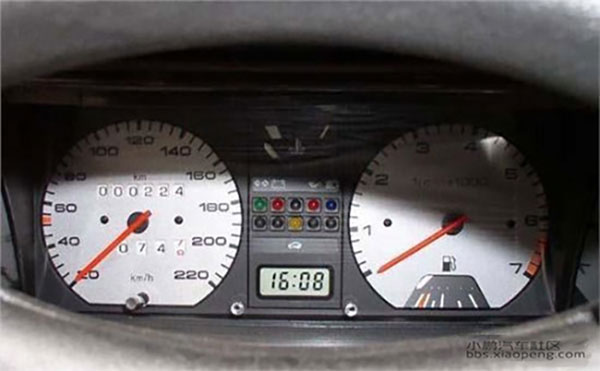
Early analog instrument cluster panels combined a speedometer/odometer, tachometer, oil pressure, coolant temperature, fuel level, and a charge indicator. A voltage regulator stabilized supply for accuracy. OEMs varied in telltale count—some favored granular prompts; others preferred leaner HMIs to reduce cognitive load.
2) Приборная панель автомобиля Goes Hybrid
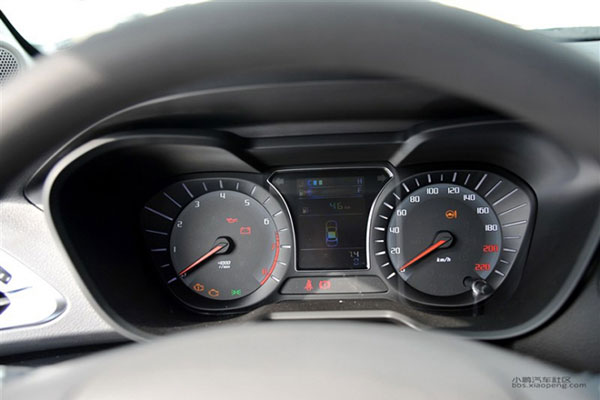
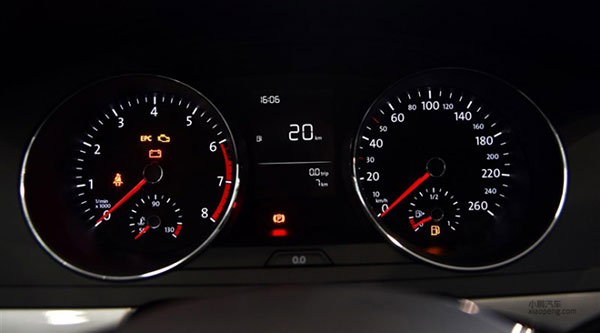
As electronics matured, clusters moved VFD → LCD → TFT. Small TFTs could ingest CAN messages and render trip/alerts/ADAS states. A pragmatic hybrid instrument cluster emerged: needles for speed/RPM, LED telltales for warnings, and a TFT area for variable data—robust in harsh cabins.
Why hybrids persisted: extreme thermal cycles—summer sun toward ~70 °C, then AC drops to ~20–30 °C; winter reverses. Cycling stresses joints and plastics. With cost/stability concerns, hybrids offered reliability and value.
3) The Приборная панель автомобиля Becomes Digital & Software-Defined
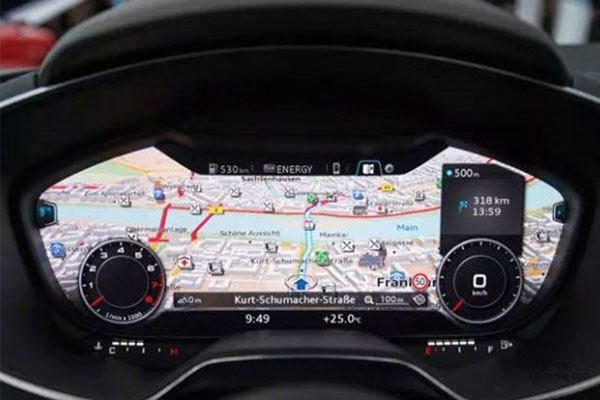
Цифровая приборная панель platforms are networked, programmable, and easier to integrate. Advantages include contextual visuals, consolidated information (less eye travel), and themes/layouts that adapt to driver preference and drive modes—core principles of automotive HMI design.
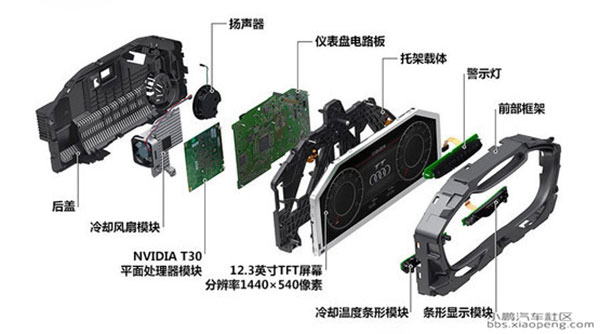
Representative Platforms
- Audi Virtual Cockpit (TT, Q7): 12.3", ~1440×540, historically NVIDIA Tegra-class with ~60 fps; instrument cluster software (RTOS) base via QNX Neutrino; multiple layouts (entertainment/drive/sport).
- Desay SV R1: NXP MCU + i.MX6 GDC, up to 12.3" 1920×720 TFT LCD automotive display, QNX RTOS, Kanzi HMI; later T2 adds richer animations and Ethernet/CAN.
- Tesla clusters: 12.3" LG LCD (~1280×480 early gens), NVIDIA Tegra 2 lineage, Linux/Ubuntu stack; module-based layouts vs. QNX-style RTOS approaches.
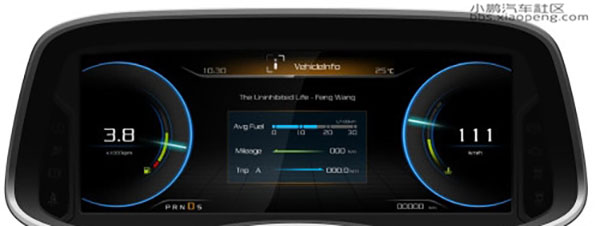
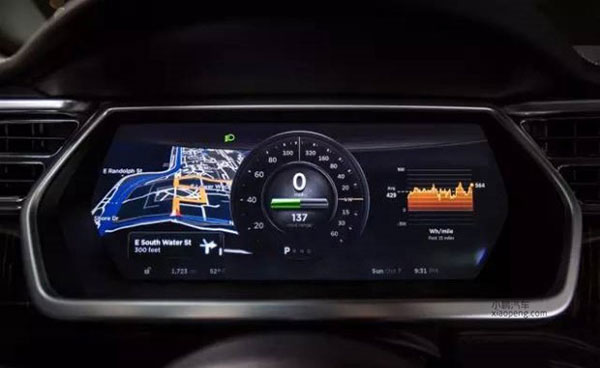
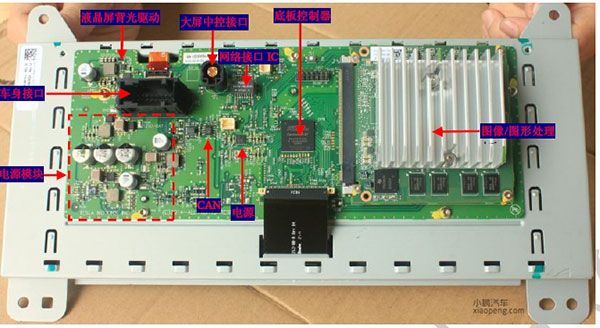
4) HUD: Aviation Roots, Automotive Gains
Head-up display (HUD) originated in aviation. By projecting data to an apparent far focal distance, drivers keep eyes up, reducing down-glances and accommodation time. In practice, HUDs improve legibility and lower fatigue in day/night/tunnel scenarios.
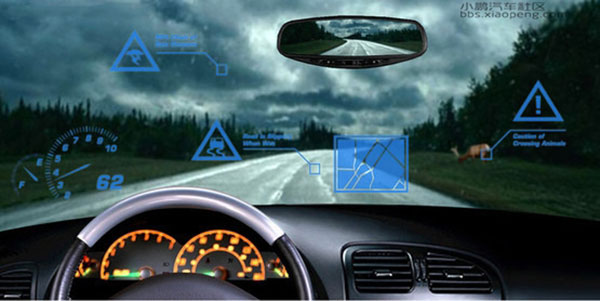
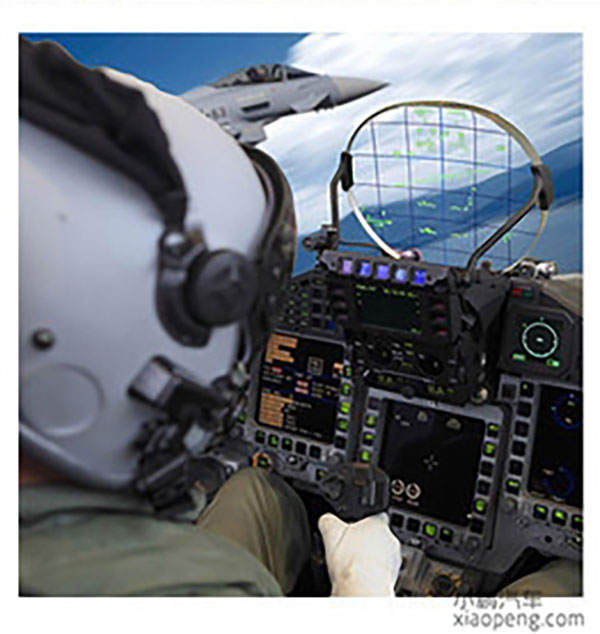
- Optical coating & windshield: high-index laminated coatings (~1.8–2.2 vs. ~1.52 standard glass) + multilayer interference enable farther apparent images and multi-color support.
- Adaptive brightness: ambient/rain-light sensors and dimmer inputs prevent brightness jumps across sun/shade/tunnels.
5) Where the Приборная панель автомобиля Is Heading
- Higher resolution & luminance across segments with hot/cold and sunlight robustness.
- ADAS integration: lane/path/limit cues, collision warnings, and navigation layered with media—prioritized to reduce cognitive load.
- Openness: cross-domain data sharing, more frequent OTA, coherent automotive HMI design across cluster/center/passenger displays.
- HUD refinement: safer, clearer overlays for limits, guidance, and object highlighting—without visual debt.
Goal: fewer glances and lower cognitive load—not just more pixels. That’s the measurable path to safety gains in the intelligent digital cockpit.
Notes & Closing
Chip/OS examples illustrate architecture choices—QNX vs. Linux (instrument cluster software, RTOS); Tegra/i.MX pipelines. Configurations vary by model year, trim, and market. Looking ahead, clusters will carry more ADAS integration, tie in tighter with center stacks, and adopt voice/gesture where it helps. This aligns with the intelligent cockpit vision—and with the experience we at ikagoo aim to deliver.




Add comment